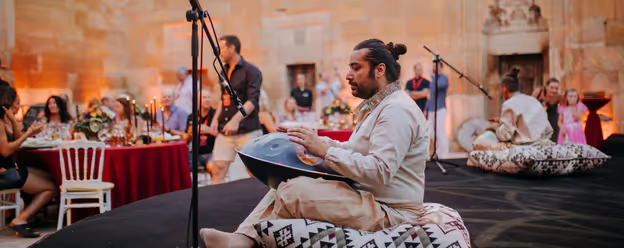
For some years now, we have seen luxury hospitality move away from a broad-based idea of luxury towards something more considered. As guests become more discerning about where they stay and what they experience, this is inevitably impacting corporate culture and how events are created and delivered.
Luxury With Meaning
Luxury is no longer one-size-fits-all. Hotels are becoming much clearer about who they want to attract, what they want to be known for and the kind of experience they want to create.
This isn't necessarily a new idea, but it is becoming increasingly important. Across the sector, we are seeing brands build their identity around a particular philosophy, sense of place or way of experiencing a destination. For event agencies, this creates an opportunity to look beyond the traditional markers of luxury and think more carefully about how the hotel, destination and guest experience come together.
Take Aman Resorts. For more than three decades, the brand has resisted many of the trends that have shaped modern luxury hospitality. Rather than creating properties that compete for attention, Aman has built its reputation around privacy, tranquillity and a profound connection with place – with each property defined by its own distinct sense of feeling.
1 Hotels has taken an equally focused approach. Since its launch, the brand has challenged the idea that luxury and sustainability sit apart, building its identity around nature, conscious design and a deeper connection to place. At 1 Hotel Mayfair, reclaimed materials, abundant greenery and collaborations with local artisans create a space that feels rooted in London.
Similarly, Six Senses has transformed the way wellness is experienced in luxury travel. Rather than treating wellness as a standalone spa experience, the brand integrates local traditions, indigenous ingredients, conservation projects and community connections into the overall stay. Guests leave with a greater understanding of the destination itself, not simply a sense of relaxation.
The common thread between these brands is not a particular architectural style or design language. It’s clarity. Each understands exactly what it stands for and delivers an experience built around that identity. And as guests increasingly seek experiences that feel specific to their surroundings, that clarity gives agencies a stronger foundation for creating programmes that feel genuinely connected to the destination.
Few recent openings demonstrate this better than Mandarin Oriental Qianmen, Beijing.
Instead of introducing another statement building to Beijing's skyline, Mandarin Oriental took an entirely different approach, spreading the hotel across a collection of carefully restored siheyuan courtyard houses and hutongs that have formed part of the city for centuries. An incredible example of architectural ingenuity, it's a model that deliberately breaks from the traditional luxury hotel blueprint. Rather than creating a self-contained destination, the property is woven into the fabric of the city, allowing Beijing's history, architecture and everyday rhythm to become part of the guest experience. Plan an event here and your delegates can truly feel transported into the destination: walking through the neighbourhood to reach their room, discovering hidden courtyards, historic alleyways and generally living life as a local.
That philosophy reflects a broader shift taking place across luxury hospitality. Increasingly, exclusivity is found not in separation from a destination, but in a closer connection to it - something event agencies can increasingly harness when designing experiences for guests who want to feel they have genuinely been somewhere.
Why Local Identity Matters
A similar philosophy runs through Auberge Resorts Collection, albeit in a different form.
Rather than following a single design formula across its portfolio, each property draws inspiration from the landscape, culture and character of its surroundings. Whether it’s a restored hacienda in Mexico, a working ranch in the American West or a clifftop retreat overlooking the Aegean, architecture, interiors, food and experiences are shaped by the destination itself, allowing every resort to develop its own personality.
For event agencies, that individuality opens up much more creative freedom. Instead of trying to make every destination fit the same event formula, the destination can influence the format, atmosphere and experiences from the outset.
In doing so, this approach encourages guests to engage with the place around them - through its food, its history, its landscapes and the people who call it home. That is increasingly valuable in the events world. When a programme gives guests a genuine connection to the destination, the experience becomes more personal, more memorable and ultimately more difficult for competitors to replicate.
Heritage as a New Luxury Asset
Interestingly, this evolution is not being driven solely by newer, lifestyle-led brands. Some of hospitality's most established names are demonstrating that heritage, history and craftsmanship remain some of luxury's greatest strengths.
Four Seasons is a great example of this. Alongside its new developments, the brand has increasingly embraced the restoration of historic properties with existing cultural significance. The reopening of Hotel Danieli in Venice demonstrates how one of Italy's most celebrated hotels can be carefully renewed while preserving its heritage, craftsmanship and sense of place. Likewise, Four Seasons Hotel and Residences Cartagena brings together historic buildings within the city's UNESCO-listed old town, allowing guests to experience the destination from within its architectural and cultural fabric.
This signals a wider change in how luxury is being defined. Authenticity is, in many cases, about preserving, restoring and celebrating original heritage, allowing destinations to share their stories in a way that feels natural, meaningful and deeply connected.
The same is true when planning an event. Hotels with a strong sense of heritage naturally lend themselves to more authentic experiences because there is already a story to work with. History, craftsmanship, architecture and local character can all become part of the experience, giving planners a much more natural foundation from which to build a programme.
Beyond the Hotel: Where the Destination Comes In
For luxury event planners and incentive travel professionals, the hotel is only part of what makes a programme memorable. Often, it’s the experiences that give guests a real sense of the destination that they remember most - a private dinner in a historic setting, meeting a local artisan, discovering regional cuisine with a chef, or taking part in a tradition that has been passed down for generations.
For event agencies, these experiences are an important part of the value they bring to clients. Understanding what makes a hotel and its destination distinctive and being able to turn that story into meaningful experiences, is therefore becoming increasingly important.
From Luxury as Product to Luxury as Context
Ultimately, one of the biggest changes taking place is luxury hospitality is the way we define value. For many years, luxury was primarily measured by what a hotel contained. The largest suites. The most impressive architecture. The most extensive amenities. The most recognisable design.
These elements still matter. Exceptional hotels will always need exceptional spaces. But increasingly, the value of a luxury experience extends beyond what is inside the hotel. It lies in access, in connection and the opportunity to experiences a destination in a way that feels personal and difficult to replicate.
For event agencies, this represents a shift from thinking about luxury purely as a product to thinking about luxury as context. The hotel is still important, but so too are the people, places, stories and experiences that surround it - and how all those elements can come together to serve the client's objectives and create something meaningful for their guests.
A stay at Mandarin Oriental Qianmen is memorable because it places guests within the story of Beijing. Aman succeeds because its properties feel inseparable from their landscapes. Six Senses creates value by connecting guests with themselves. Auberge allows each destination to shape the identity of the experience.
Different regions may express luxury differently, but the ambition is increasingly the same: to create experiences that feel impossible to recreate anywhere else.
The future of luxury hospitality will not be defined by who can build the biggest or most impressive property. It will belong to those who understand that the greatest luxury is not excess, but relevance: creating experiences that are so deeply connected to their surroundings and the psyche of their guests that they could only exist in one place.
Welcome to the new era of client experience and luxury events.