.avif)
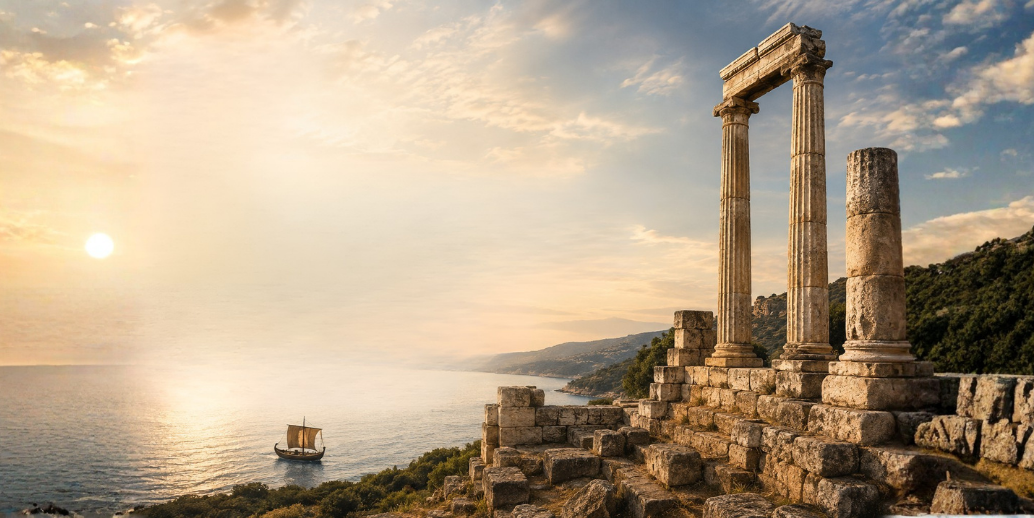
More broadly, many of the landscapes that shaped the Iliad, the Odyssey and some of the earliest foundations of Western literature lie within what was once known as Asia Minor—modern-day Türkiye. The renewed interest surrounding the film is a reminder that these stories have never really disappeared. They've simply been retold, generation after generation, in different forms.
As destination professionals, that got us thinking.
We spend a great deal of time talking about storytelling in events. We encourage clients to create emotional connections, memorable moments and experiences that participants will talk about long after they've returned home. Yet perhaps the most powerful stories available to us are the ones that already belong to the places we work in.
Long before Hollywood, before novels and before streaming platforms, there was Homer. The Iliad and the Odyssey, believed to have been composed nearly three thousand years ago, explored themes that still resonate today: leadership, ambition, resilience, loyalty, conflict and the long journey home. Whether every detail of the Trojan War is historical or partly legendary continues to fascinate historians and archaeologists alike. What has never been questioned, however, is the extraordinary influence these epics have had on literature, theatre, cinema and popular culture.
Expressions such as "Achilles' heel", "Trojan horse" and even the word "odyssey" itself have become part of everyday language. They shape the way we think and communicate, often without us even realising where they originated.
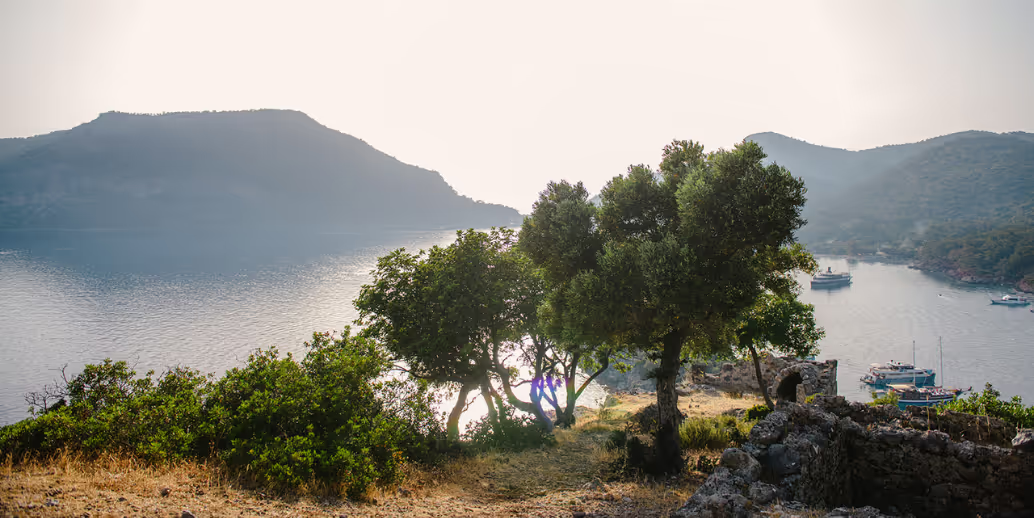
What is perhaps less widely appreciated is that the physical landscapes behind many of these stories still exist. The archaeological site of Troy, near today's Çanakkale, has been excavated for over 150 years, revealing layer upon layer of ancient settlements dating back thousands of years. A short journey away lie Assos, where Aristotle established his philosophical school; Pergamon, once home to one of the greatest libraries of the ancient world; and Ephesus, one of the best-preserved Roman cities anywhere in the world. Together, they form one of the richest concentrations of cultural heritage anywhere in the Mediterranean.
For event planners, this isn't simply an interesting history lesson. It highlights something much more important.
Great destinations are rarely remembered because they have impressive hotels or beautiful scenery alone. Those things matter, of course, but what makes a destination truly unforgettable is its ability to create meaning. A place becomes memorable when people understand the stories behind it. The setting stops being a backdrop and becomes part of the experience itself.
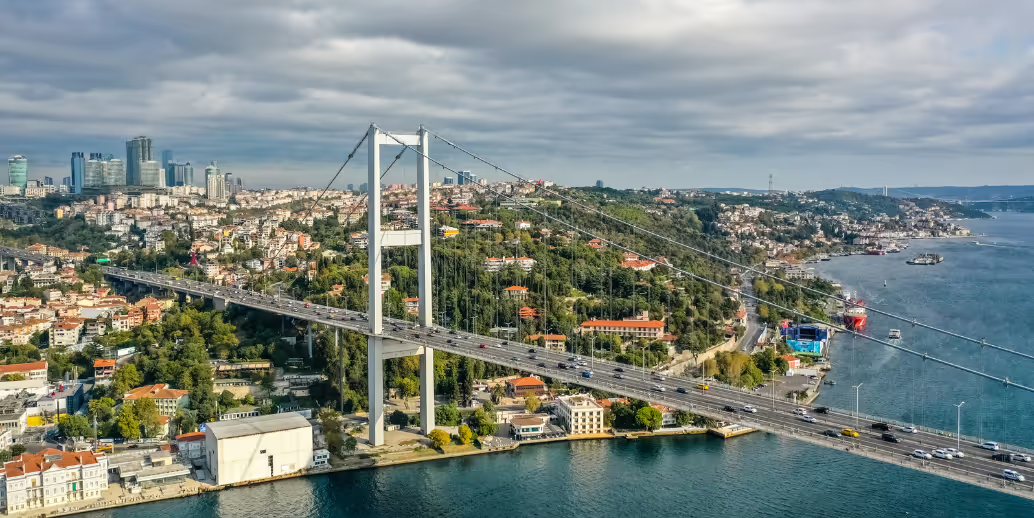
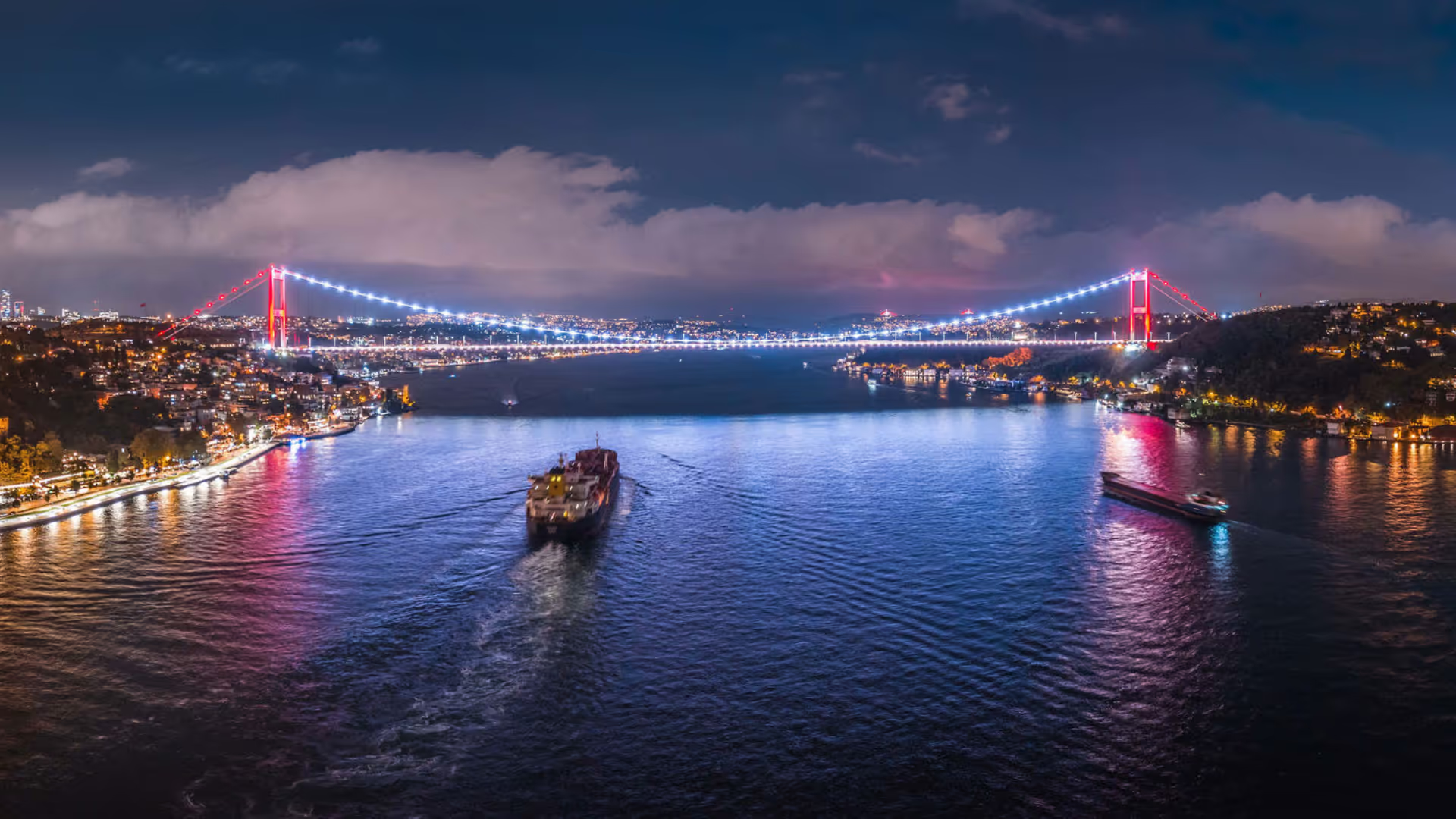
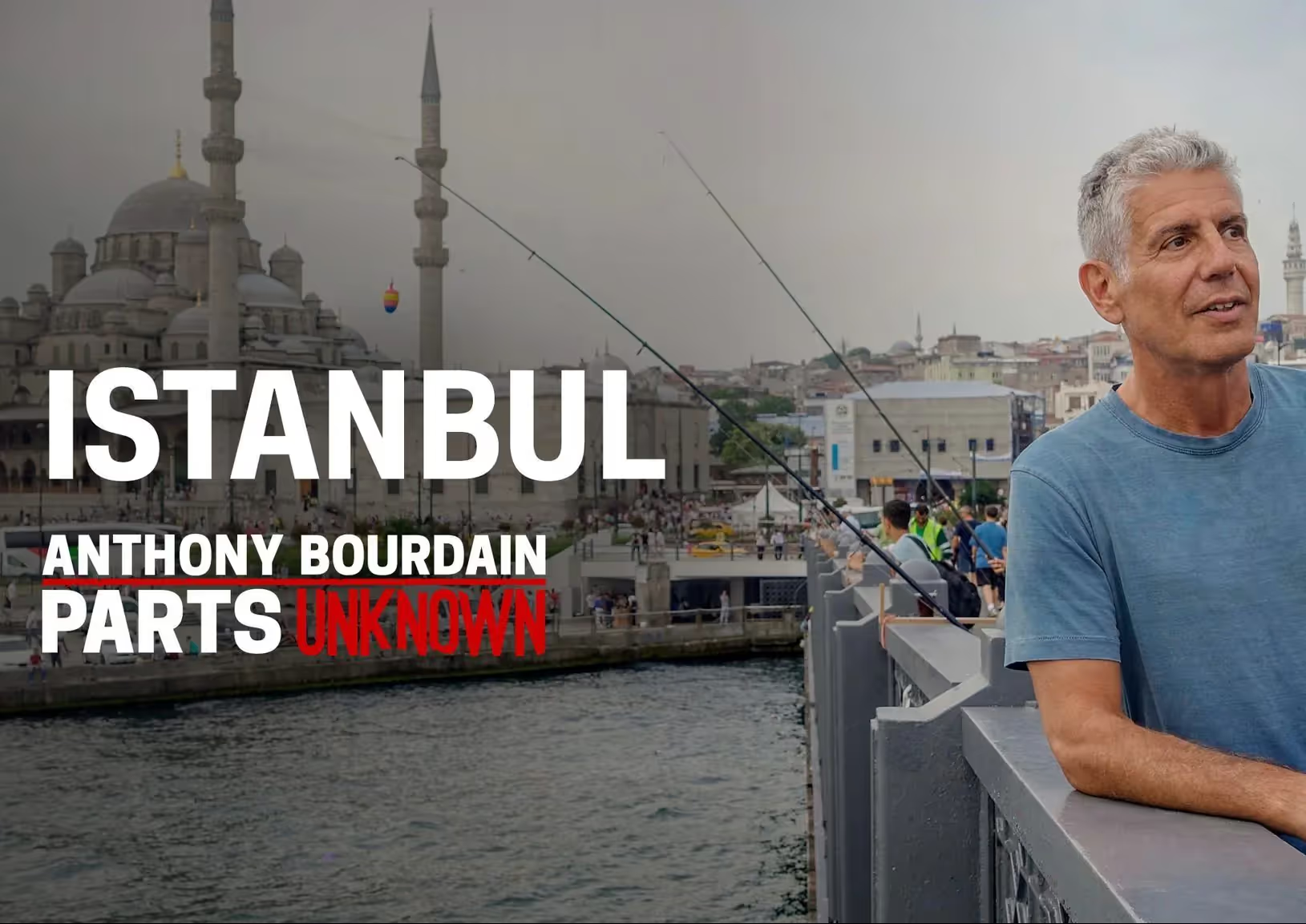
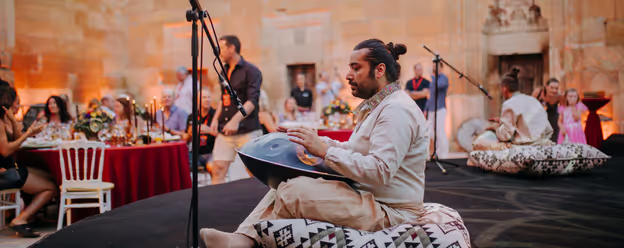
We've seen this happen countless times. A private dinner overlooking the ruins of an ancient city becomes something far more meaningful when guests understand who once walked those streets. A reception in a centuries-old caravanserai feels different when its role on the Silk Road is brought to life. Even a simple walk through Istanbul becomes richer when visitors realise they are crossing a city that has served as the capital of three great empires.
This is perhaps one of Türkiye's greatest strengths as a business events destination. It isn't simply that the country offers extraordinary venues—although it certainly does. It's that many of those venues already come with stories that have shaped civilisations. They provide context, emotion and authenticity that no amount of event production can manufacture.
The renewed global attention on Homer's epics, sparked by Nolan's latest film, is therefore more than just a cultural moment. It's an opportunity to remember that destinations are not collections of hotels, restaurants and venues. They are living narratives, built over centuries, waiting to be shared with new audiences.
As event professionals, perhaps that's one of the most valuable lessons we can take away. We don't simply organise programmes in destinations. We help people connect with them.
And when that connection happens, the destination itself becomes part of the story participants carry home.
A Thought from the MEP Team
When we're designing an event, one of the questions we ask ourselves isn't "What's the most impressive venue?" It's "What's the story this place can tell?"
Because long after guests have forgotten the menu, the stage design or even the speeches, they'll remember how a place made them feel. The best events don't just take place in a destination—they belong to it.