.avif)
When the pandemic hit, like everyone else in our industry, we found ourselves asking the same question: what now?
For a business built entirely around physical experiences, movement, and destination, the shift was not just operational — it was existential. Virtual events were suddenly everywhere. Platforms were being built, systems were being sold, and everyone seemed to be racing to “own” the digital space.
We didn’t approach it that way.
We knew from the start that we were not a technology company, and we weren’t trying to become one. Building platforms or competing on technical infrastructure was never going to be where we added value.
So instead, we asked a different question: what can a destination management company bring into a virtual world?

The answer, for us, was the destination itself.
Our first opportunity came through a long-standing client in the US, who had started hosting digital conferences and asked us to contribute something that would bring Türkiye into that environment. The brief was simple, but unfamiliar: no presentations, no polished videos — just live.
We had never done anything like it before.
With minimal budget and no existing structure, we built something from scratch. Multiple team members working simultaneously — one managing the live feed, another responding to participants, others moving across locations — combining pre-recorded content with real-time broadcasting.
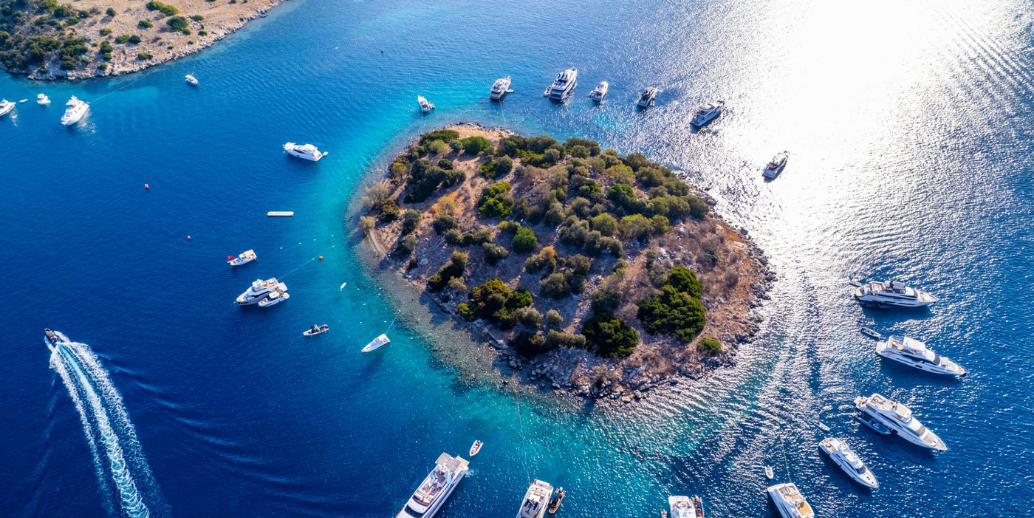
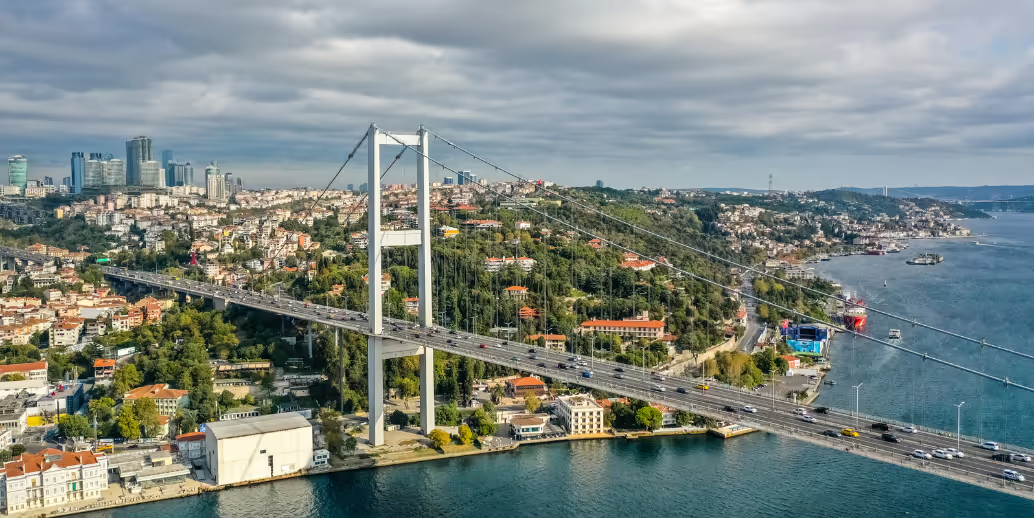
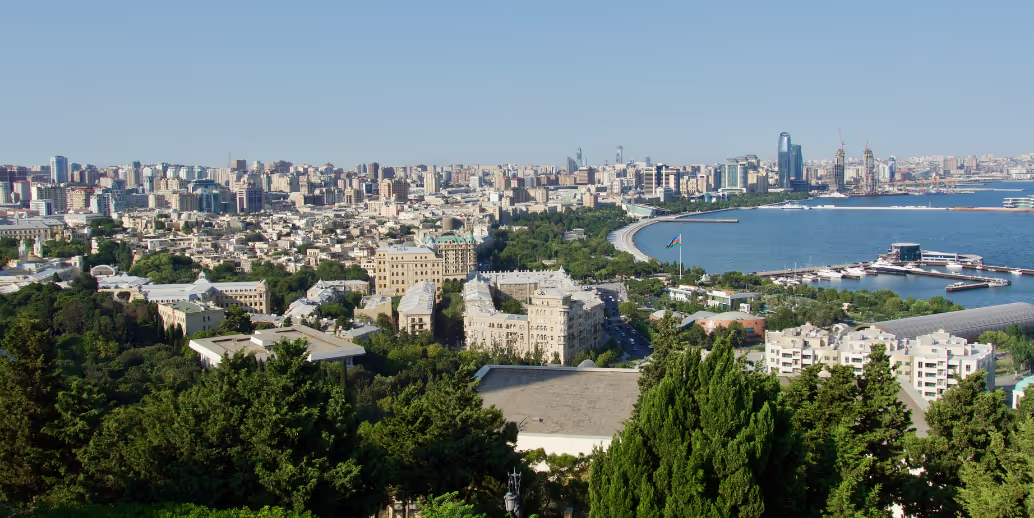
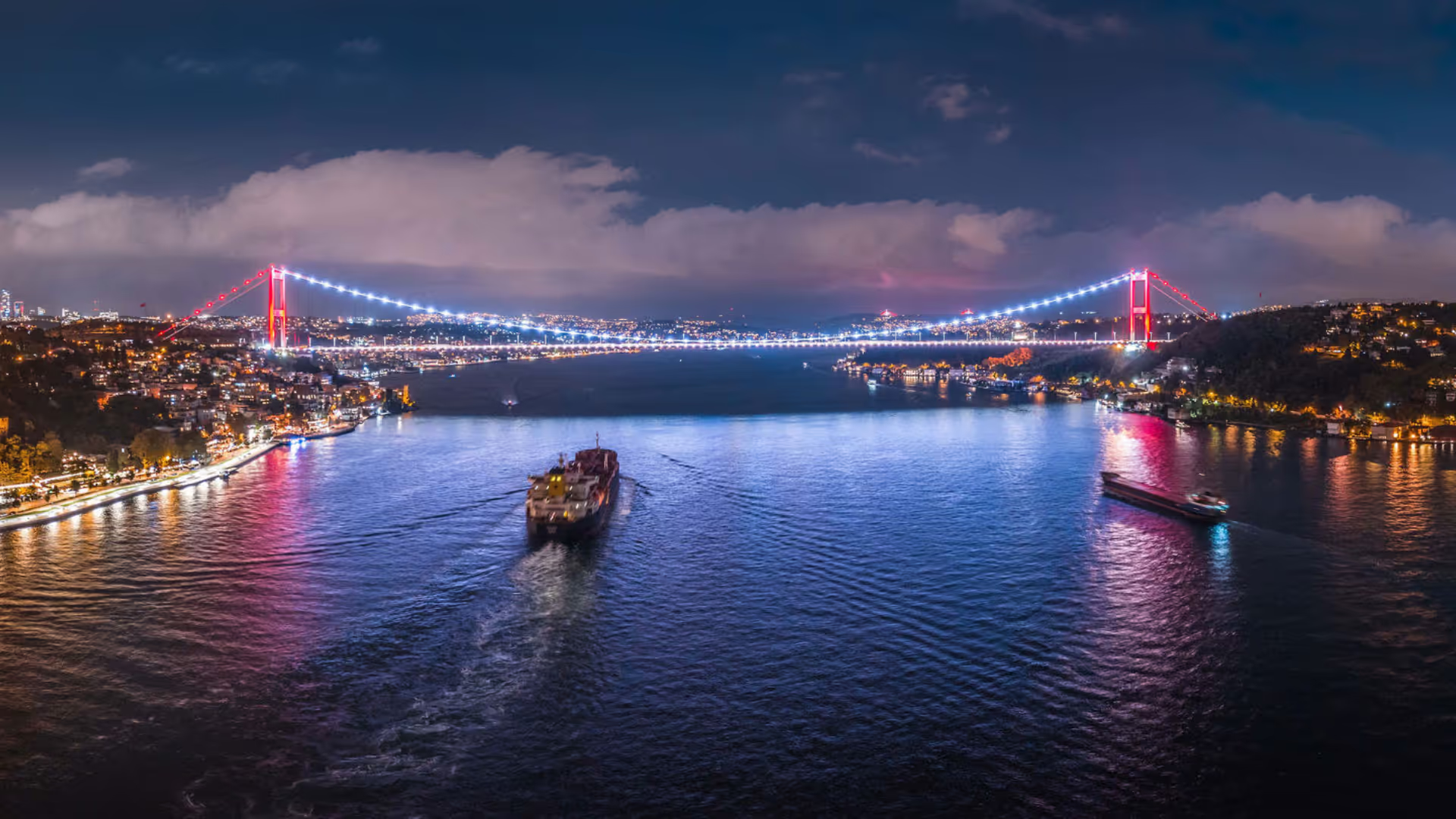
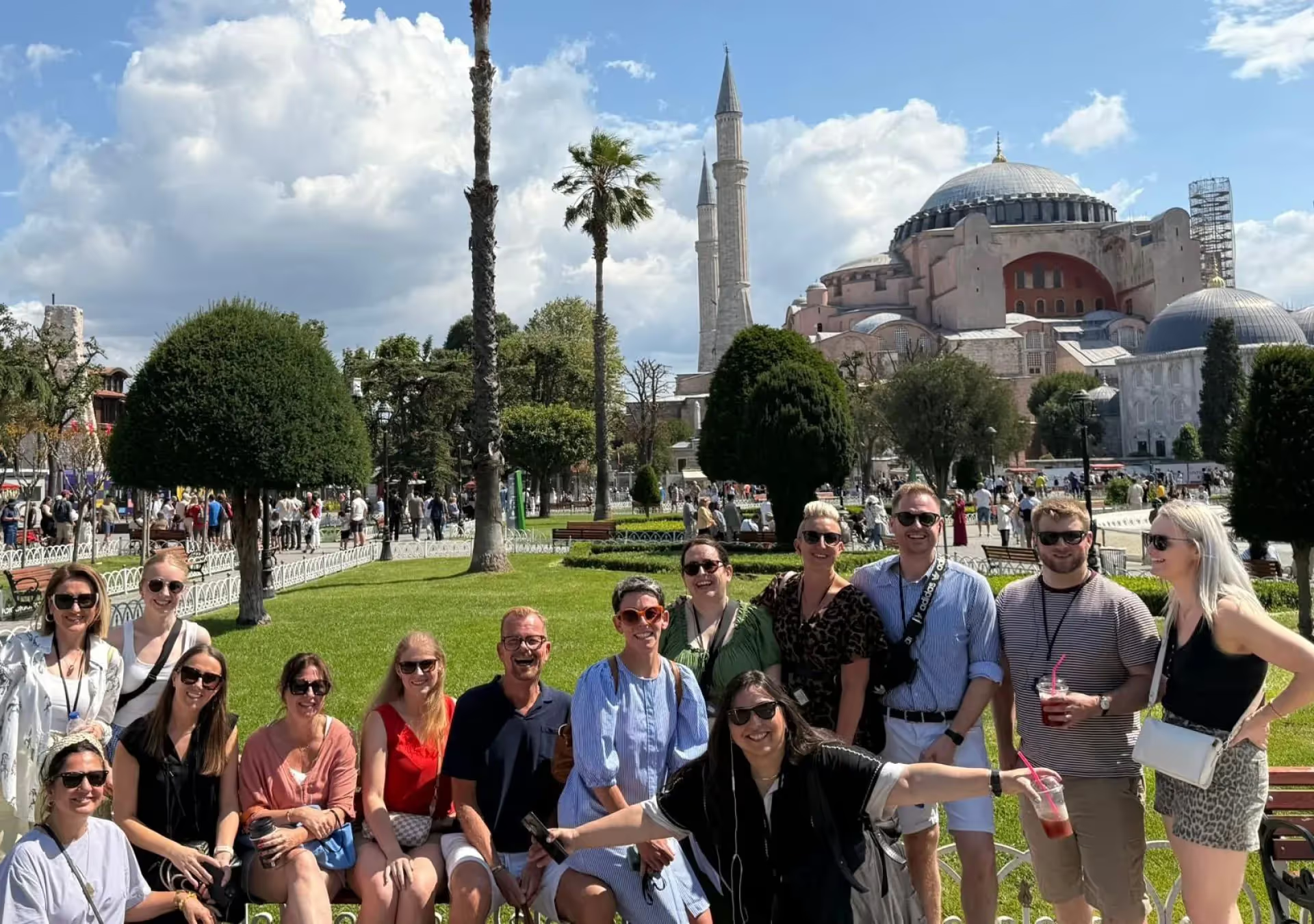
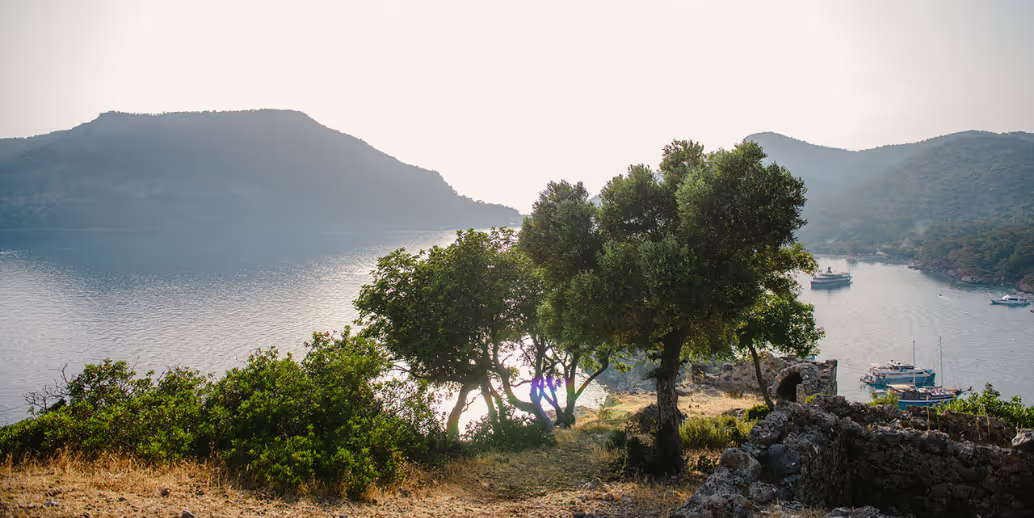
We connected audiences to Istanbul, Bodrum, and beyond, not through perfect production, but through movement, unpredictability, and perspective. At one point, we were walking through a hotel, transitioning mid-broadcast into a live connection on a boat, continuing the experience from the water.
It wasn’t perfect — and that was exactly the point.
That project went on to win a MICEBOOK Virtual Event Award for delivering the strongest impact with limited resources. But more importantly, it changed how we thought about what we could do.
From there, we began developing the idea further.
One of the most interesting projects came from a company running internal sales training programmes. The format was familiar: long hours of presentations, people sitting in front of screens, struggling to stay engaged.
We suggested something different.
At a certain point during the session, we shifted the entire group live into the Grand Bazaar in Istanbul. Not as a tour, but as a study of sales behaviour — negotiation techniques, storytelling, visual merchandising, customer interaction — all happening in real time, in one of the oldest trading environments in the world.
It transformed the experience completely.
Participants weren’t just hearing about concepts — they were seeing them, in action, in a setting that made them more memorable and easier to understand.
At the same time, we began working with global hotel groups, supporting their internal networks in understanding destinations more deeply.
Instead of traditional presentations, we created live, moving experiences. Hotel teams, venues, and partners became part of the storytelling — walking through spaces, explaining them as they were, rather than as scripted versions of themselves.
We never tried to make it overly polished. In fact, we deliberately avoided it.
The goal was to make people feel like they were there — seeing through someone else’s eyes, not watching a finished product.
One of the most meaningful projects during this period came from a collaboration with a major e-commerce company in Türkiye.
Their workforce was young, ambitious, and — like everyone else — exhausted by months of isolation. They were looking for something that could inspire, not just entertain.
We took them to Boğatepe village in Kars.
Through a fully virtual experience, we told the story of a community that had rebuilt itself after losing most of its male population — how women came together, formed cooperatives, developed production, and eventually transformed the village into a model for sustainable agriculture and eco-tourism.
It was not designed as a corporate session.
It was designed as perspective.
And in many ways, that defined this entire period for us.
Looking back, what stands out is not that we “did virtual events.”
It’s that we rethought what experience means when you remove travel.
We didn’t build platforms. We didn’t chase perfection. We focused on what we knew — places, people, stories — and found a way to translate them into a different format.
Some of those ideas carried forward.
Others belonged to that moment.
But the mindset — that has stayed.